
Star Trek Fleet Command looks simple at first: build a base, send ships, recruit officers, collect resources. The trap is that every early choice touches your long-term account. A scattered start makes the grind feel heavier than it needs to be.

Use this guide as a clean first path: upgrade the systems that unlock progress, pair ships with useful officers, join an active alliance, and protect rare resources until you understand their value.
Quick Start Priorities
| Priority | What to do first | Why it matters |
|---|---|---|
| Starbase | Push upgrades that unlock core systems | Your station controls almost every long-term option. |
| Ships | Build one reliable main ship before spreading upgrades | A focused ship carries mining, missions, and early fights. |
| Officers | Match officers to the ship role | Crew bonuses can matter as much as raw ship power. |
| Alliance | Join an active group quickly | Help, protection, and advice speed up early progress. |
| Resources | Save rare materials and speedups | Random spending creates bottlenecks later. |
If this part of the game caught your attention, Star Trek Fleet Command Review: Is It Worth Playing Now? is the practical next read.
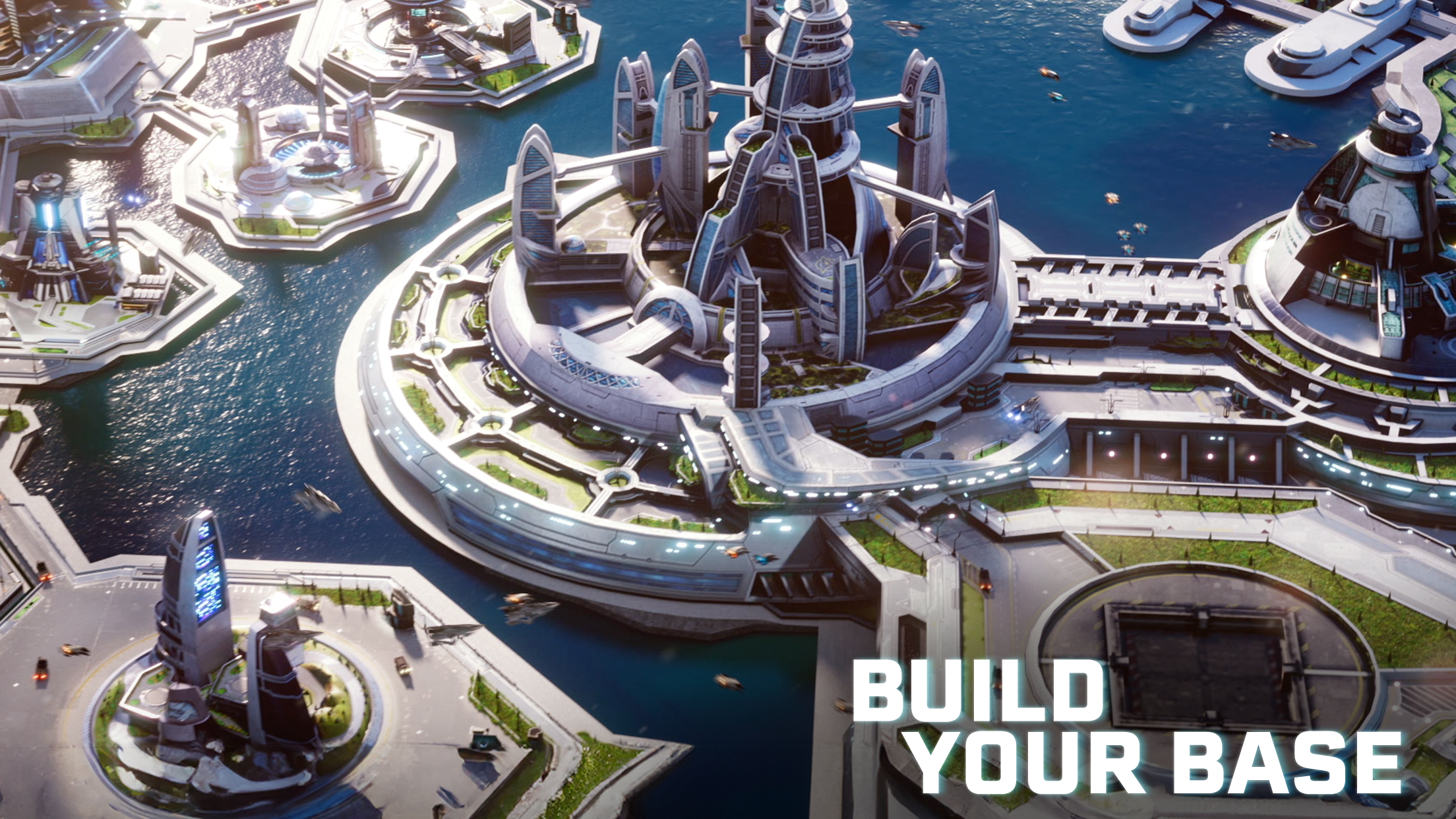
The Early Game Loop
The early loop works best when each action supports the next one. Upgrade your station with a purpose. If an upgrade opens a new feature, improves your main ship path, or removes a resource bottleneck, it deserves attention.
Avoid upgrading everything equally. Side buildings and secondary ships can wait if they do not help your current progression wall.

Ships and Officers Matter Together
New players often chase the newest ship and ignore the crew. That makes the account weaker than it should be.
| Decision | Better beginner habit |
|---|---|
| Using the newest ship for everything | Match the ship to mining, missions, or combat. |
| Ignoring officer bonuses | Build a crew that supports the current task. |
| Upgrading every ship | Invest in one dependable main ship first. |
| Fighting without checking power | Scout targets and understand losses before committing. |
Treat ships and officers as one system. A decent ship with the right crew can feel better than a stronger ship with random officers.
The verdict is the starting point; Star Trek Fleet Command Review: Is It Worth Playing Now? follows the details that can shape how the game feels.
Resource Mistakes to Avoid
- Do not burn speedups instantly. Save them for upgrades that unlock meaningful progression.
- Do not spend premium currency casually. Wait until you understand what blocks your account most often.
- Do not upgrade every officer. Focus on crews that help your main ship and main activity.
- Do not stay in a dead alliance. Inactive groups slow your growth and leave you guessing.
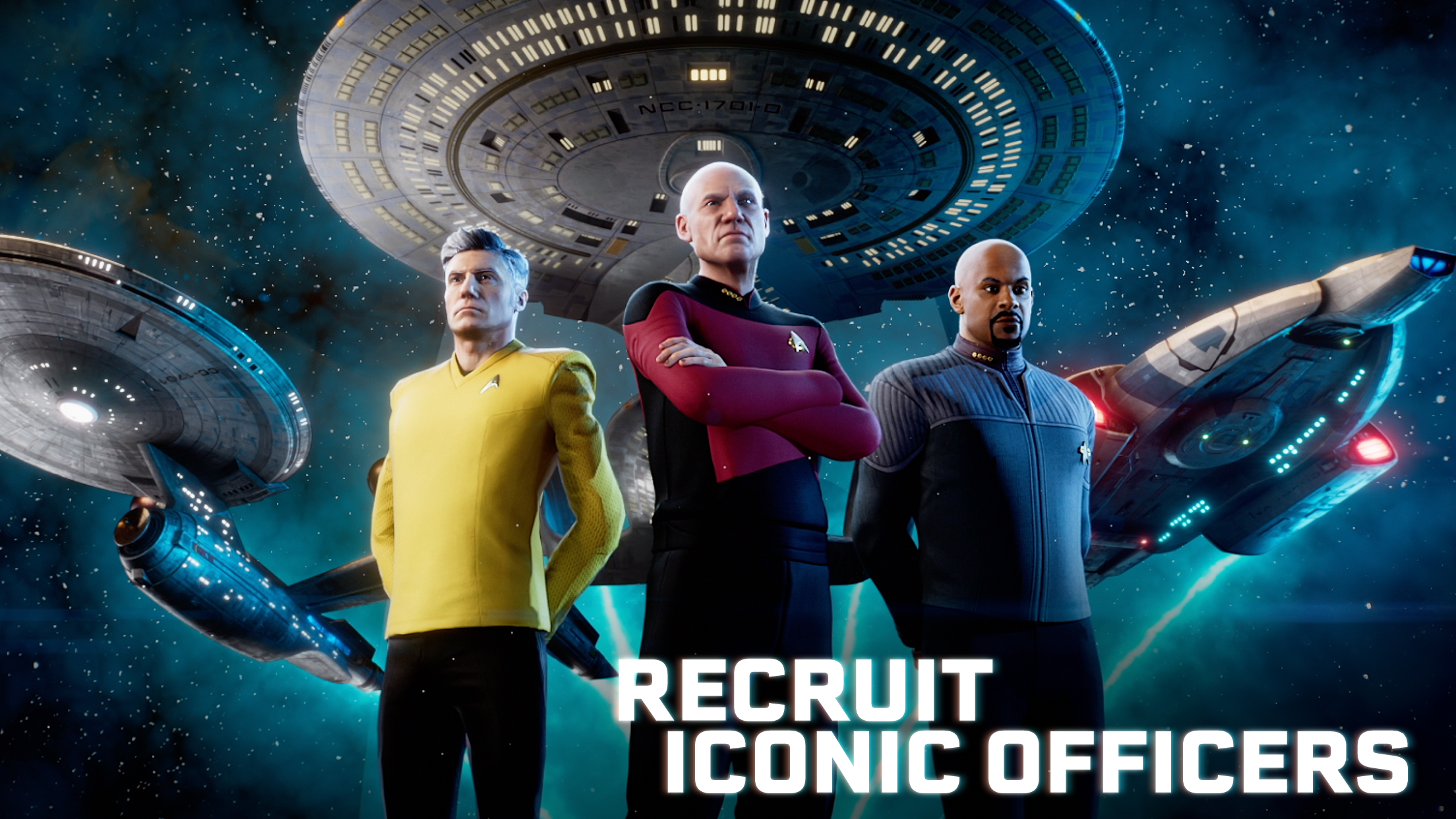
When Star Trek Fleet Command Starts to Click
The game becomes more rewarding when your account has a rhythm: your station unlocks better systems, your ships have clear roles, your officers make sense, and your alliance gives direction.
| Player type | Fit | Why |
|---|---|---|
| Long-term strategy player | Strong | The game rewards routine and planning. |
| Star Trek fan | Strong | Ships, officers, and faction identity carry the fantasy. |
| Solo-only player | Mixed | You can play alone, but alliance play is much stronger. |
| Instant-action player | Weak | Progression is deliberate, not arcade-fast. |
Final Notes
Star Trek Fleet Command is best approached like a long-term strategy account. Build the starbase, focus one useful ship path, crew it properly, and find an active alliance early.
A good decision needs the next layer of context. Star Trek Fleet Command Review: Is It Worth Playing Now? takes the question further.
Want the broader verdict first? Read our full Star Trek Fleet Command review.