
Verdict
RAID is worth trying if you enjoy turn-based combat, champion roles, and steady progression. It becomes less appealing if you want a short RPG that ends cleanly after a few sessions.
RAID: Shadow Legends is still built for players who like turning a weak starter roster into a tuned team through gear, roles, and smart upgrades. The real question is not whether RAID has enough content. It does. The question is whether you enjoy a long-term RPG where progress comes from focused team building rather than instant power.
This is a research-led review focused on player fit, early value, and whether the core loop is strong enough to deserve your time.
Quick Verdict
RAID is worth trying if you enjoy turn-based combat, champion roles, and steady progression. It becomes less appealing if you want a short RPG that ends cleanly after a few sessions.
A good decision needs the next layer of context. RAID: Shadow Legends Beginner Guide: What to Do First takes the question further.
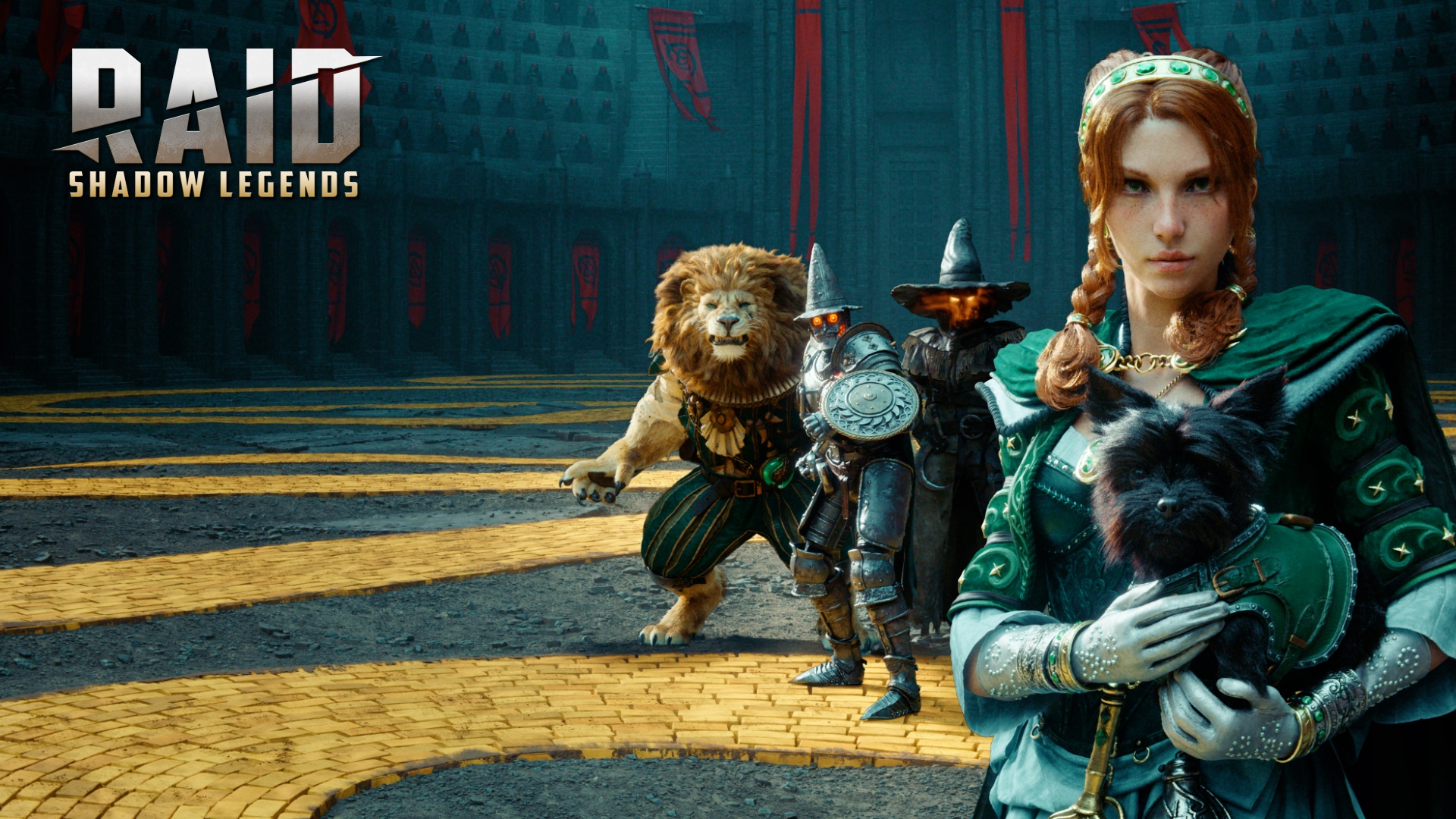
What You Actually Do
| System | Why it matters |
|---|---|
| Combat feel | Turn-based fights reward planning, role balance, and timing. |
| Main hook | Building a reliable core team feels better than chasing every champion. |
| Progression | Strong, but resource-heavy; bad upgrades slow you down. |
| Player fit | Good match for patient RPG players who like optimization. |
| Watch out | Collection pressure can feel intense if you chase every new pull. |
The game becomes easier to judge when you look at the actual loop instead of the store, trailer, or character art. If the core routine sounds satisfying, the free start is useful. If the routine already sounds tiring, stronger rewards will probably not change that.
If this part of the game caught your attention, RAID: Shadow Legends Beginner Guide: What to Do First is the practical next read.
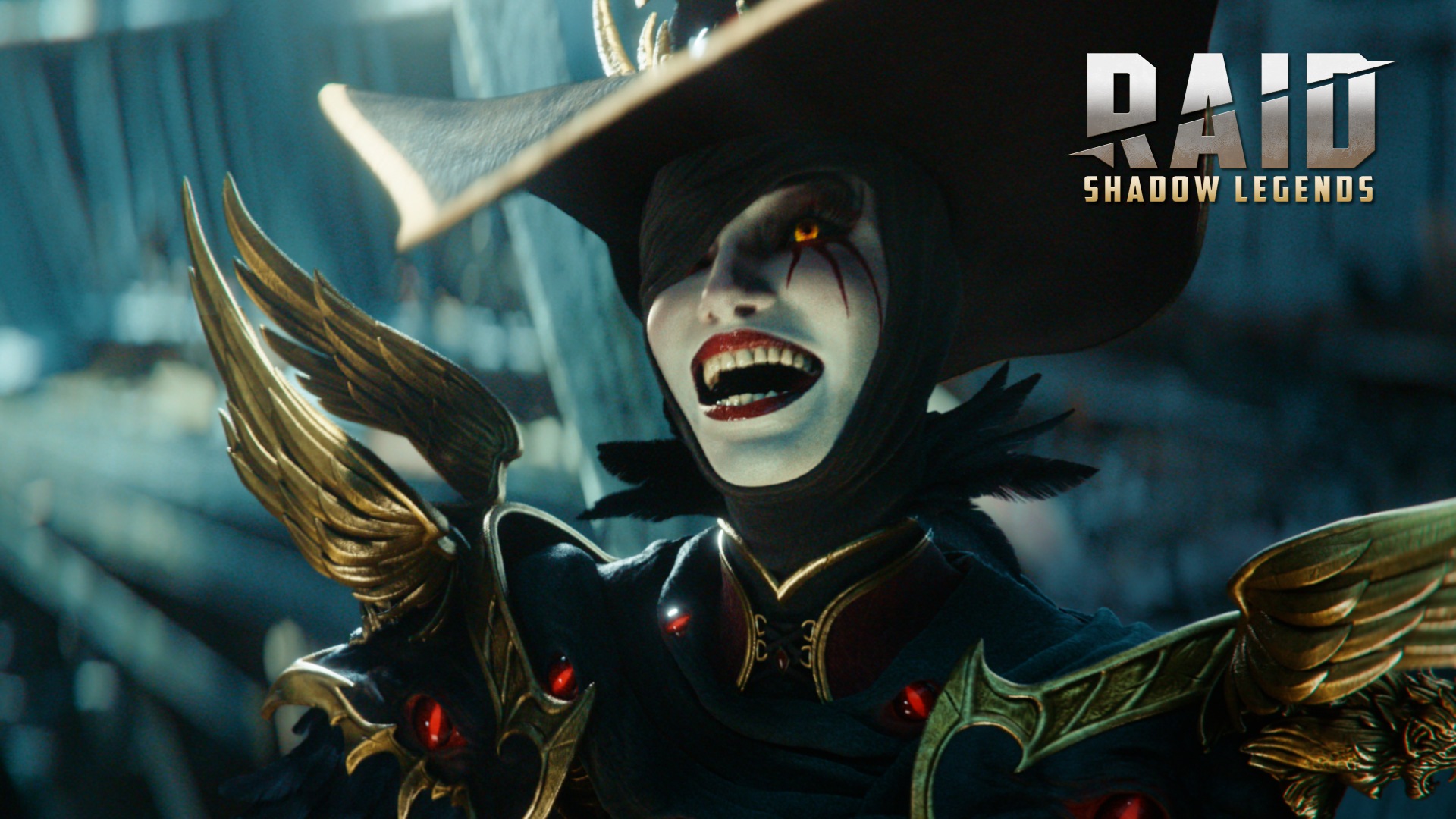
How to Play Smarter Early
- Build one core team first. A reliable starter team carries more value than spreading resources across every new champion.
- Gear matters as much as rarity. A weaker champion with the right setup can outperform a flashy unit with random equipment.
- Use modes as goals. Campaign, dungeons, and arena give you different reasons to improve instead of upgrading blindly.
- Keep spending optional. Try the loop, understand your bottleneck, and only then decide whether the game deserves money.
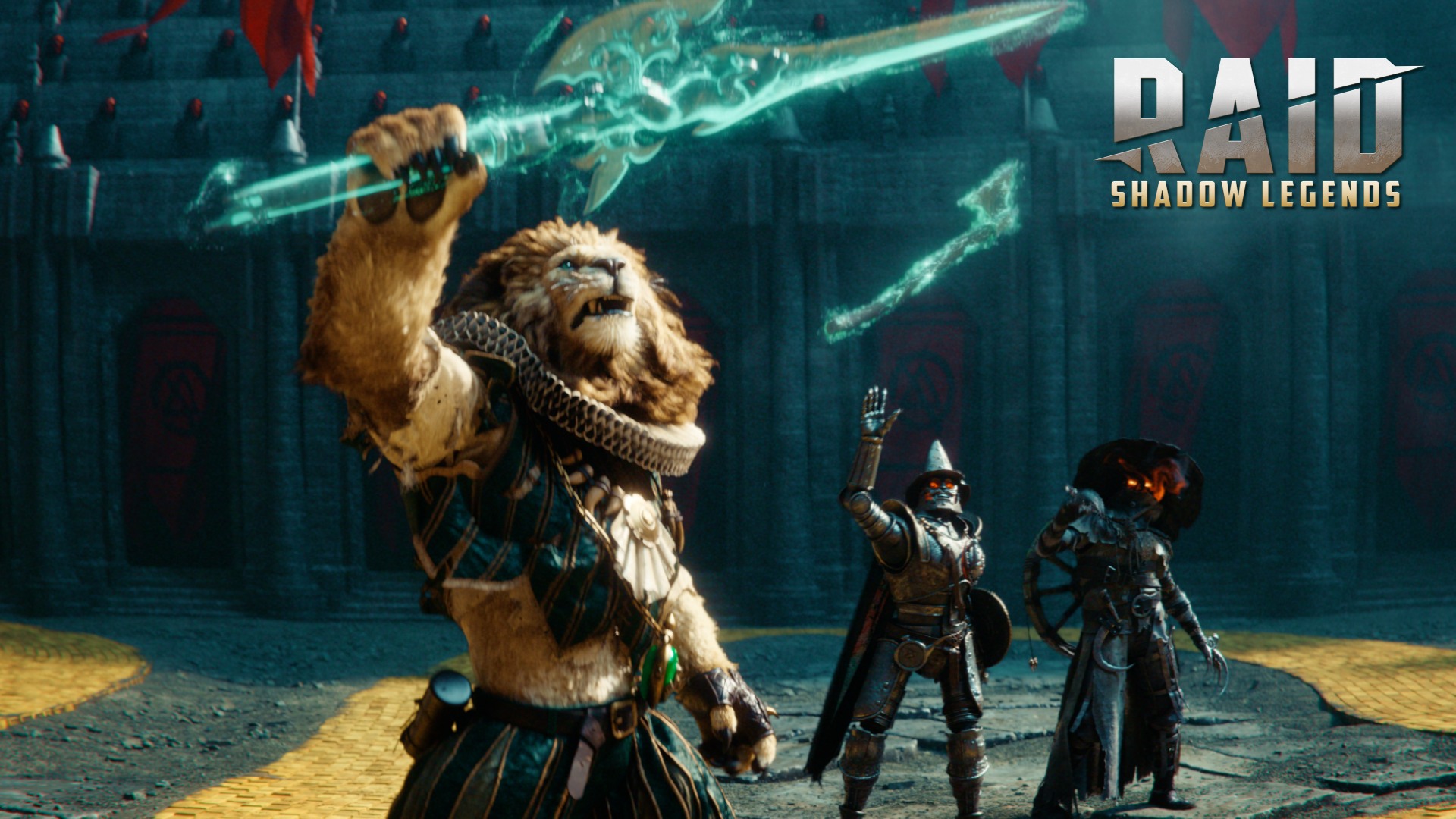
Who Should Try It?
| Player type | Fit | Why |
|---|---|---|
| Turn-based RPG optimizer | Strong match | The game rewards planning and incremental improvement. |
| Casual story player | Weak match | The grind and daily systems are central. |
| Collector mindset | Good, with discipline | The roster is huge, but chasing everything is the trap. |
| Quick-session player | Mixed | Short sessions work, but progress needs consistency. |
This is where the decision should happen. The right game is the one whose ordinary routine feels good before you spend anything. A strong theme can get you to install, but the daily loop is what decides whether you stay.
Scorecard
Final Verdict
RAID earns a 7.4/10 because its roster depth and tactical loop are genuinely sticky. Start it for team-building, not for instant rewards, and judge it after your first dependable squad starts clearing harder content. Try the opening systems first, judge the normal loop, and keep every optional purchase separate from the decision to play.
The verdict is the starting point; RAID: Shadow Legends Beginner Guide: What to Do First follows the details that can shape how the game feels.
Pros
- Deep champion and team-building systems
- Many modes create long-term goals
- Turn-based combat rewards planning
- Free-to-start entry point
Cons
- Progression requires patience and resource management
- Collection pressure can make spending feel urgent
- New-player systems can be overwhelming
- This is a research-led assessment rather than hands-on validation