Verdict
Star Trek Fleet Command is worth trying if you want a steady sci-fi strategy routine built around ships, officers, and alliance play. It is not a quick story game, but players who enjoy long-term planning can get a strong free-to-start experience before deciding how deep to go.
Star Trek Fleet Command is a strategy game for players who like building power over time. You upgrade a station, collect ships, assign officers, join an alliance, and move through a persistent galaxy where progress is measured in days and weeks rather than one short campaign.
The important question is simple: do you want a daily sci-fi strategy routine? If yes, Fleet Command is worth testing. If you only want a fast Star Trek story with no timers, no alliance pressure, and no long-term grind, this is probably not the best match.

Quick Verdict
Star Trek Fleet Command is worth trying if you enjoy slow-burn strategy, ship collection, and alliance play. The Star Trek theme gives the game personality, but the real hook is the loop of improving your station, unlocking ships, and becoming useful to a group.
The weak point is commitment. Timers, resources, and competitive events are part of the design. The best way to approach it is to start free, learn the daily rhythm, and only continue if the fleet-building routine feels satisfying.
| Question | Short answer |
|---|---|
| Is it free to start? | Yes, you can test the core loop before committing. |
| Is it solo-friendly? | Partly, but an alliance makes the game much better. |
| Is it fast-paced? | No. It is a long-term progression game. |
| Main appeal | Ships, officers, alliances, and steady sci-fi strategy. |
| Main risk | Slow upgrades and competitive pressure. |
5-second verdict
If this part of the game caught your attention, Star Trek Fleet Command Beginner Guide: Best Early Priorities is the practical next read.
What You Actually Do In Star Trek Fleet Command
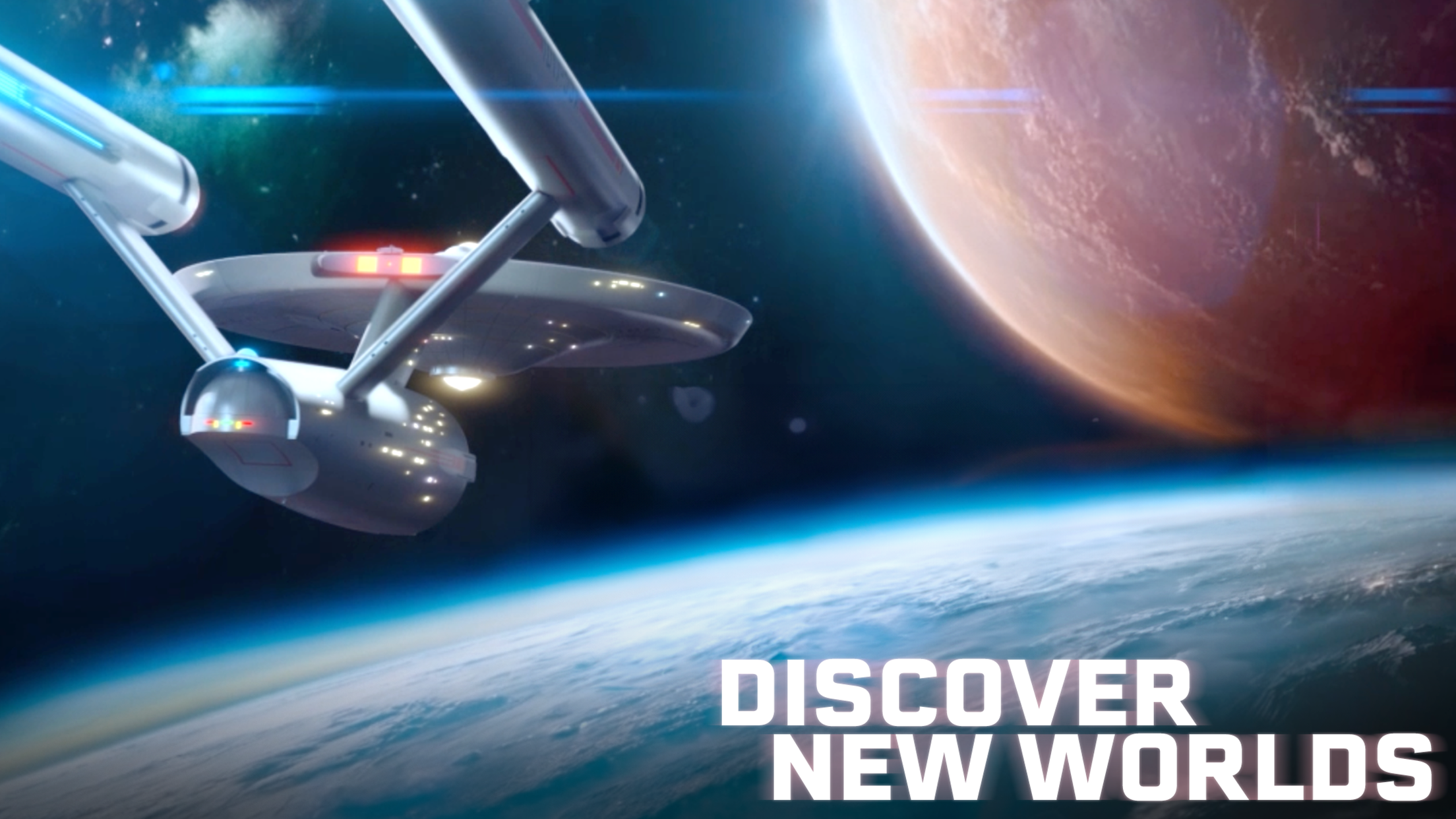
Most of your time is spent improving your station, sending ships into space, gathering resources, completing objectives, and preparing for the next upgrade. It is not complicated at the start, but the number of systems grows quickly.
The loop looks like this:
| System | Why it matters |
|---|---|
| Station upgrades | Unlocks stronger systems and keeps your account moving forward. |
| Ships | Defines what you can fight, farm, or explore efficiently. |
| Officers | Adds strategy through crew bonuses and ship roles. |
| Resources | Controls how quickly you can upgrade and recover. |
| Alliance activity | Gives you help, coordination, and larger goals. |
Core gameplay loop
The verdict is the starting point; Star Trek Fleet Command Beginner Guide: Best Early Priorities follows the details that can shape how the game feels.
This structure is good for players who like checking in, making a plan, and seeing progress accumulate. It is less appealing if you want every session to feel dramatic.
Ships and Officers Are the Main Hook
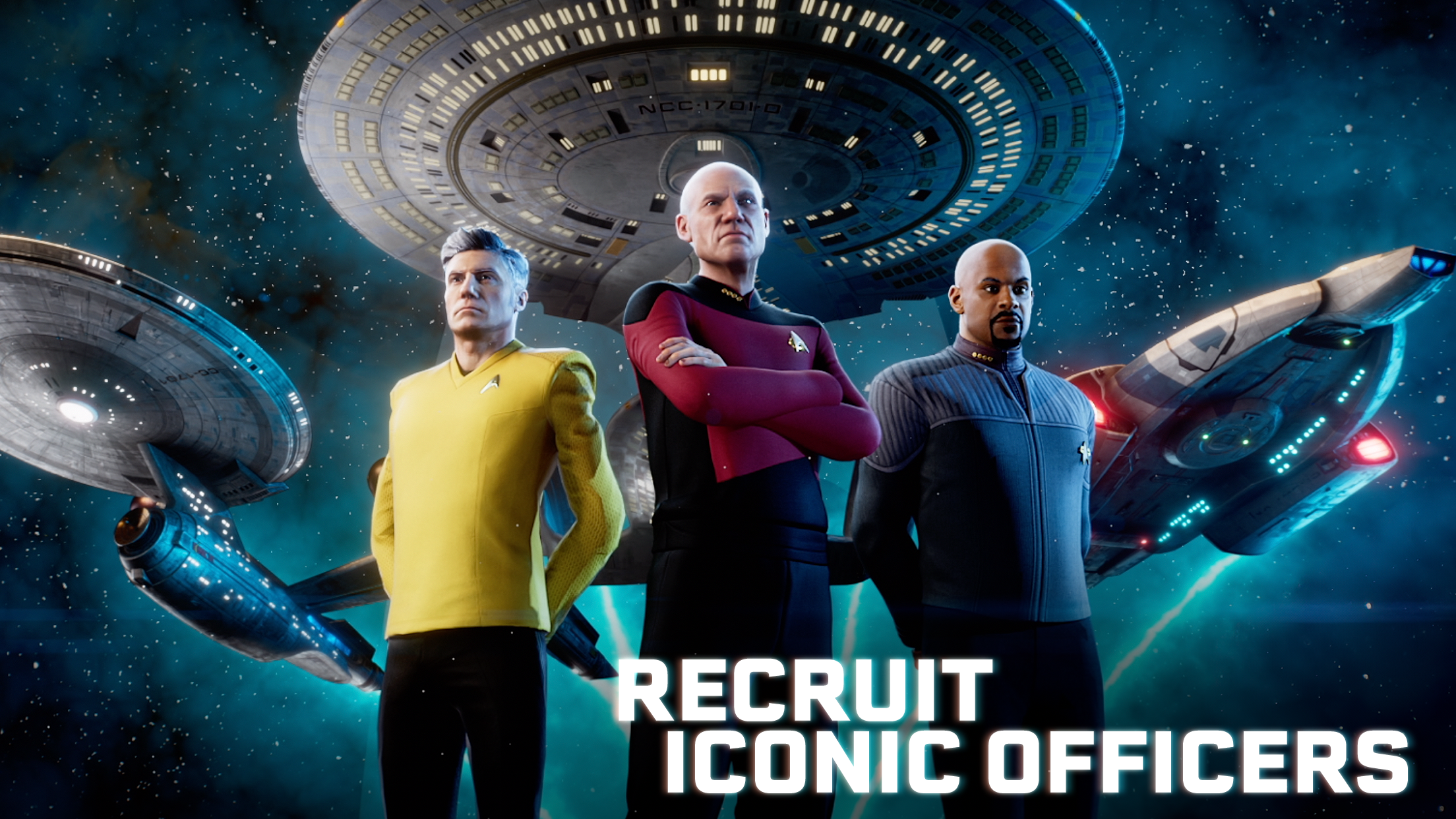
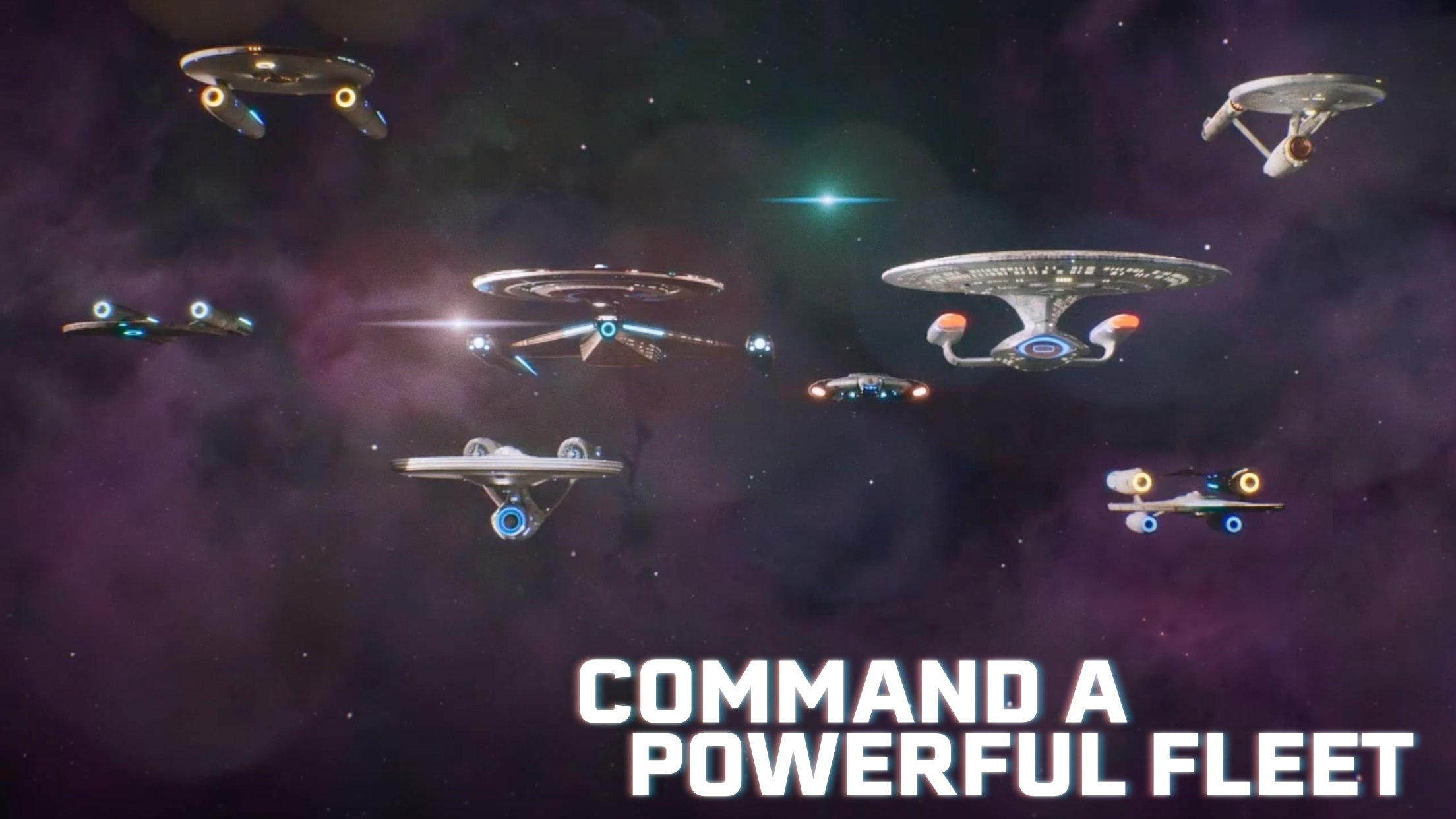
Ships are the reason the game feels like more than a generic base builder. Unlocking and improving a useful ship changes what you can do. Officers add another layer because a crew can improve combat, resource gathering, or survival depending on how you build it.
For new players, the mistake is trying to upgrade everything at once. A better approach is to choose one useful ship path, support it with officers that match its job, and avoid spreading resources too thin.
The Alliance Question
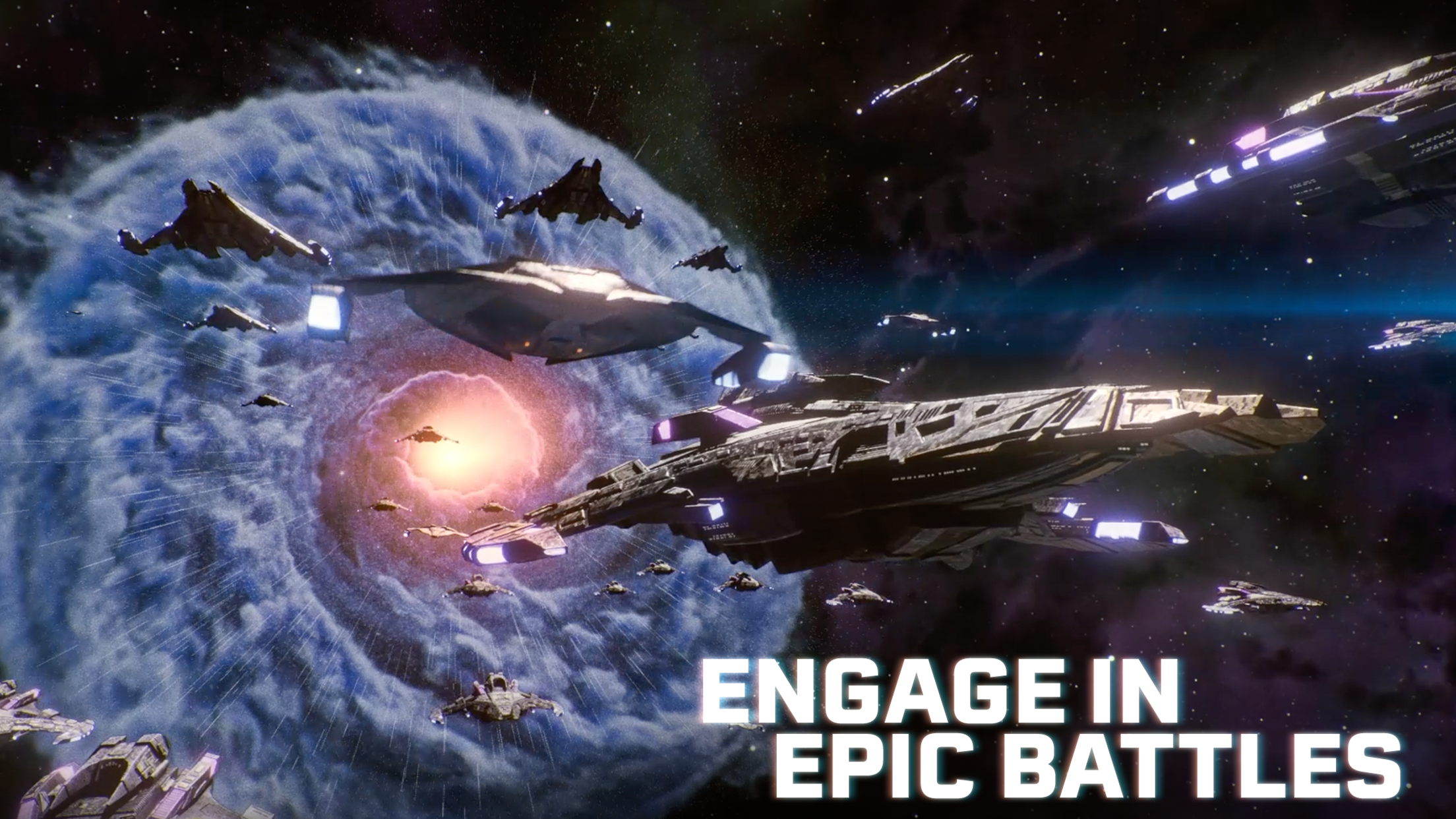
Fleet Command becomes much better when you find an alliance that matches your pace.
- Pick an alliance before you judge the game. A good group gives help, direction, chat activity, and a reason to keep improving.
- Avoid groups that play far above your pace. A bad fit can turn every event into pressure instead of progress.
- Check language, schedule, and expectations early. This matters more than joining the biggest alliance you can find on day one.
| Player type | Good fit? | Why |
|---|---|---|
| Star Trek fan who likes strategy | Yes | The theme supports a real progression loop. |
| Alliance-focused player | Yes | Social coordination is a major strength. |
| Casual solo story player | No | The game is not built like a short campaign. |
| Timer-hater | No | Waiting and planning are central to progression. |
| Patient free-to-start player | Yes | You can test the loop before going deeper. |
Progression, Grind, and Spending Pressure
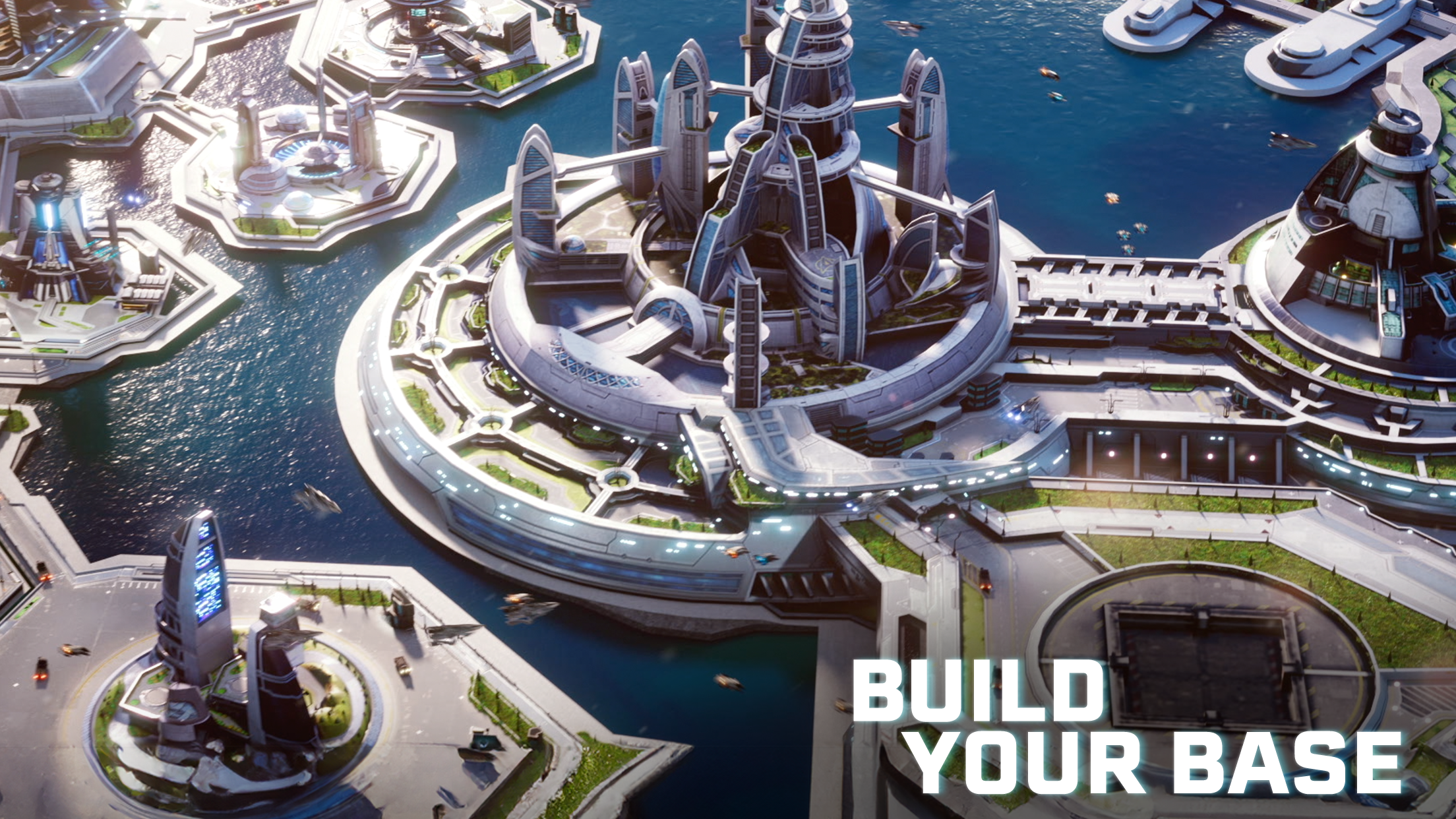
Fleet Command is free to start, but it is still a progression-driven strategy game.
- Treat the early game as a test. Learn whether you enjoy the daily loop before you commit serious time.
- Choose one ship path instead of chasing everything. Focus makes your upgrades feel more meaningful.
- Do not spend to copy stronger players. Spend only if you understand what the purchase changes and you are comfortable with the limit you set.
If the game feels fun only when you imagine skipping the timers, that is a warning sign.
Star Trek Fleet Command Scorecard
| Category | Score | Notes |
|---|---|---|
| Setting and presentation | 8/10 | The franchise gives the strategy loop a stronger identity. |
| Progression depth | 8/10 | Ships, officers, and station upgrades create long-term goals. |
| New-player clarity | 6/10 | The early game is manageable, but systems stack up quickly. |
| Alliance value | 8/10 | A good group can make the game significantly better. |
| Casual friendliness | 6/10 | Good for steady players, weaker for quick-session story seekers. |
| Spending pressure | 5/10 | Playable free-to-start, but competitive pacing can push upgrades. |
Score bars
Who Should Play Star Trek Fleet Command?
You should try Star Trek Fleet Command if you want a strategic game you can return to every day. It works best when you like the idea of improving a fleet, making upgrade choices, joining an alliance, and slowly becoming more useful in a shared galaxy.
You should skip it if you want a finished single-player Star Trek story, dislike timers, or know that competitive progression will make you spend impulsively.
Final Verdict
Star Trek Fleet Command earns a 7.2/10. It is a strong fit for patient strategy players and Star Trek fans who want ships, officers, and alliance goals rather than a short narrative adventure.
The smart move is to try it first, play through the early routine, and judge the game by how the daily progression feels. If the ship planning and alliance layer click, Fleet Command has enough depth to keep you busy for a long time.
A good decision needs the next layer of context. Star Trek Fleet Command Beginner Guide: Best Early Priorities takes the question further.
Pros
- Strong Star Trek setting with recognizable ships and officers
- Alliance play gives the game a real social loop
- Clear long-term goals for players who like progression
- Free-to-start entry point makes it easy to test first
Cons
- Upgrade timers and resources can feel slow
- Competitive events may create spending pressure
- Best experience depends on finding an active alliance
- Not ideal for players who want a short solo campaign