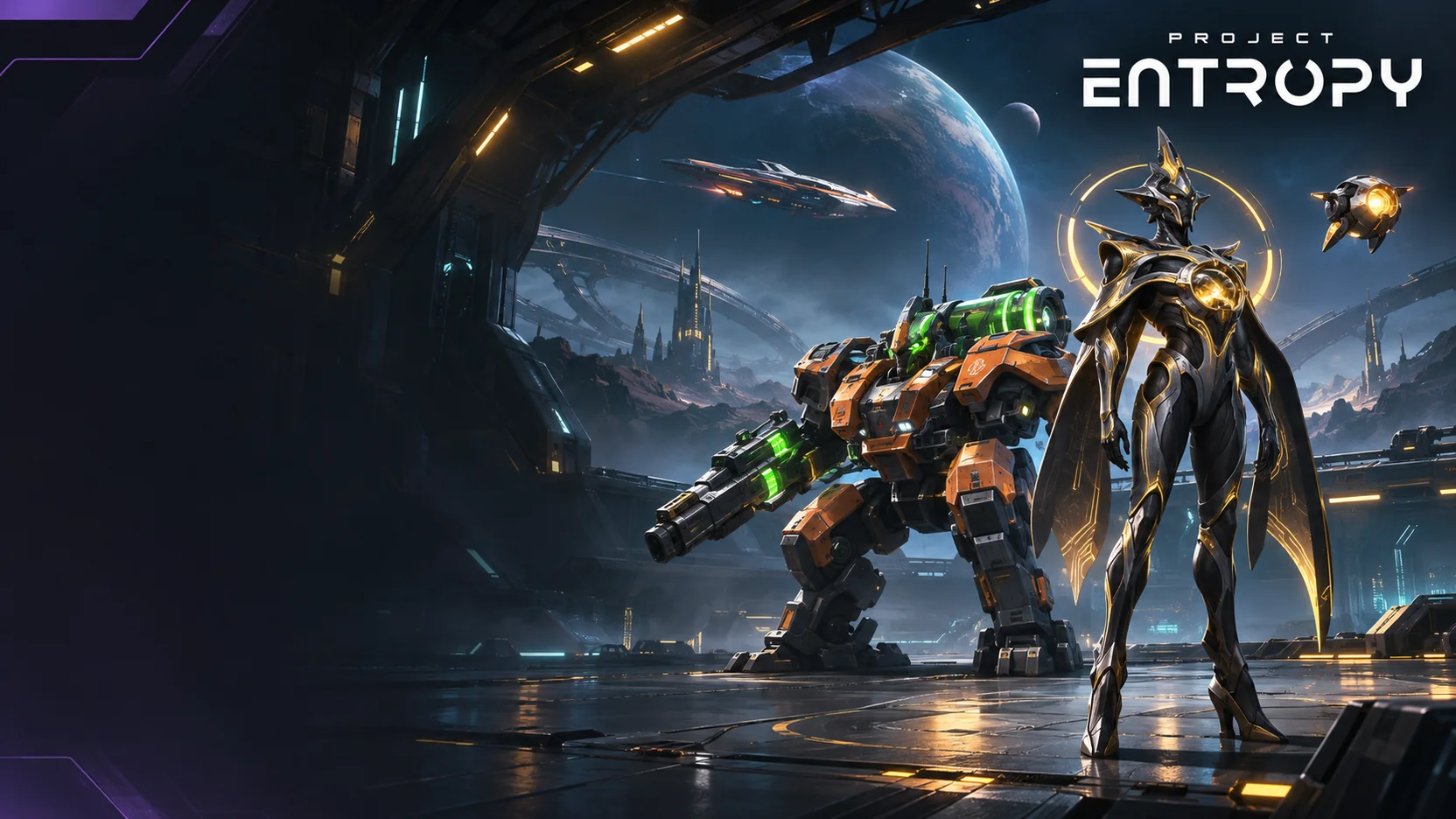
Verdict
Project Entropy is worth trying if you want a sci-fi strategy routine with alliances and visible account growth. It is less convincing if you dislike timers, resource loops, or map-based pressure.
Project Entropy gives the familiar alliance strategy loop a sci-fi skin: bases, fleets, resources, map pressure, and group objectives. It becomes interesting when you like the idea of managing power over time instead of only watching battles happen.
This is a research-led review focused on player fit, early value, and whether the core loop is strong enough to deserve your time.

Quick Verdict
Project Entropy is worth trying if you want a sci-fi strategy routine with alliances and visible account growth. It is less convincing if you dislike timers, resource loops, or map-based pressure.
If this part of the game caught your attention, Project Entropy Beginner Guide: Early Strategy for New Commanders is the practical next read.

What You Actually Do
| System | Why it matters |
|---|---|
| Core loop | Build, research, train, gather, and coordinate with allies. |
| Main hook | Sci-fi setting makes the strategy routine feel more distinct. |
| Progression | Clear, steady, and built around repeated upgrades. |
| Player fit | Good match for alliance strategy fans. |
| Watch out | The routine can feel repetitive if the alliance layer does not click. |
The game becomes easier to judge when you look at the actual loop instead of the store, trailer, or character art. If the core routine sounds satisfying, the free start is useful. If the routine already sounds tiring, stronger rewards will probably not change that.
The verdict is the starting point; Project Entropy Beginner Guide: Early Strategy for New Commanders follows the details that can shape how the game feels.
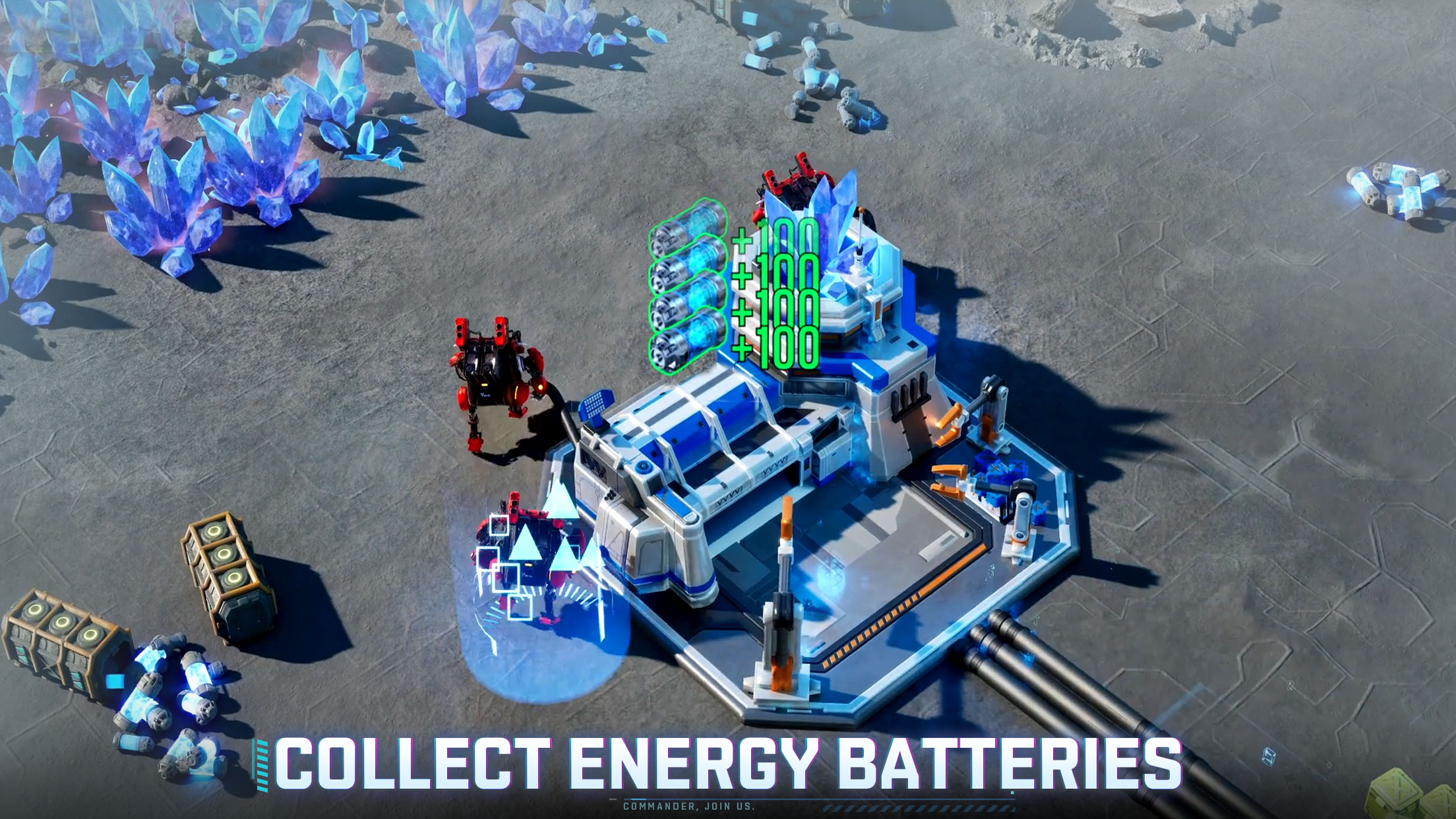
How to Play Smarter Early
- Treat the alliance as the real tutorial. Good teammates explain pacing, priorities, and when to save resources.
- Do not upgrade randomly. A focused base plan gives better progress than tapping every available timer.
- Use sci-fi theme as motivation, not proof. The setting is attractive, but the daily loop still has to fit your habits.
- Delay purchases until routine feels fun. If ordinary progress already bores you, acceleration will not fix the game.
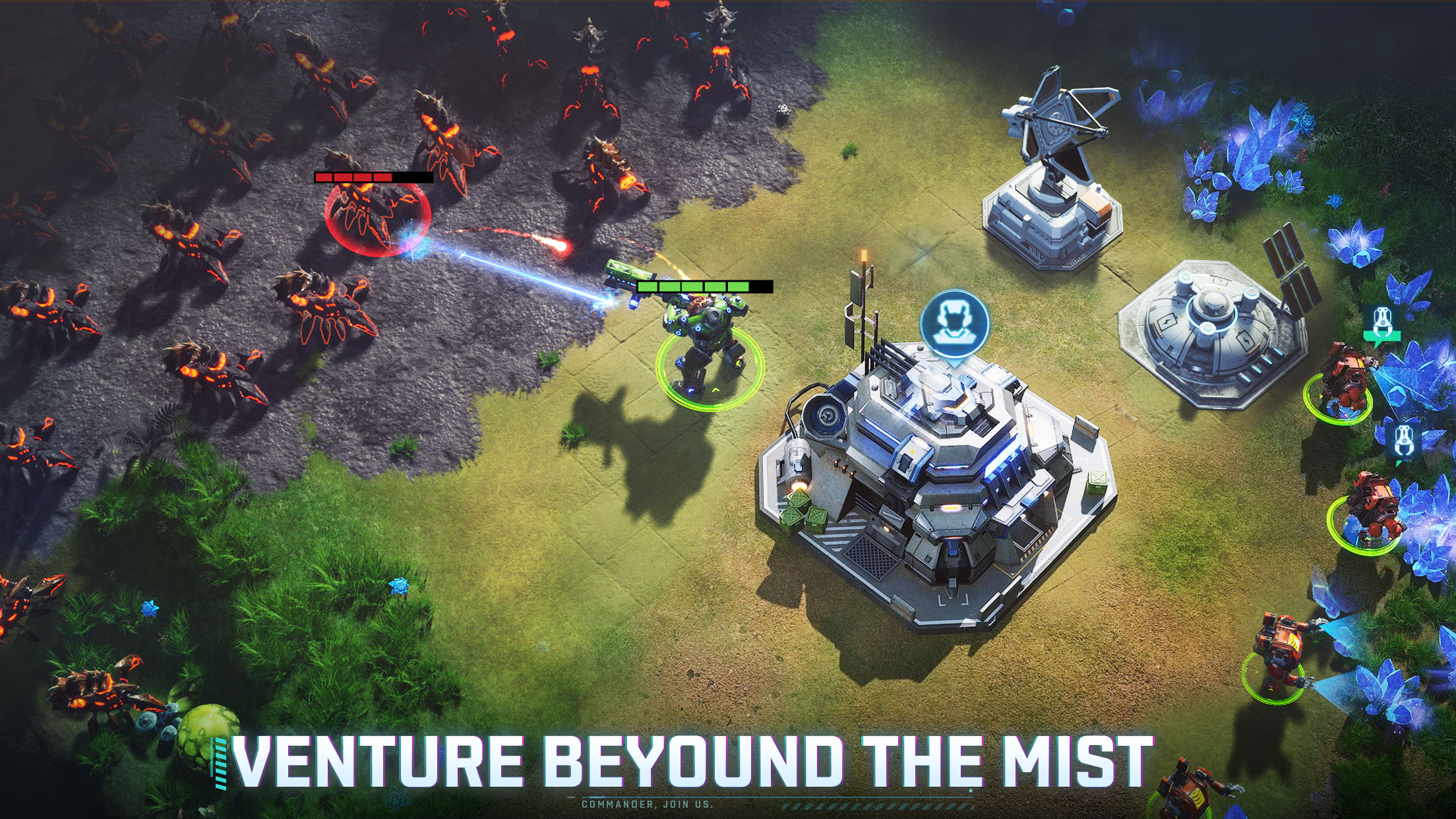
Who Should Try It?
| Player type | Fit | Why |
|---|---|---|
| Sci-fi strategy fan | Strong match | The theme supports the base-building loop. |
| Fast action player | Weak match | Most value comes from planning and waiting. |
| Alliance player | Good match | Group activity gives progress meaning. |
| Solo casual player | Mixed | Possible, but much flatter. |
This is where the decision should happen. The right game is the one whose ordinary routine feels good before you spend anything. A strong theme can get you to install, but the daily loop is what decides whether you stay.
Scorecard
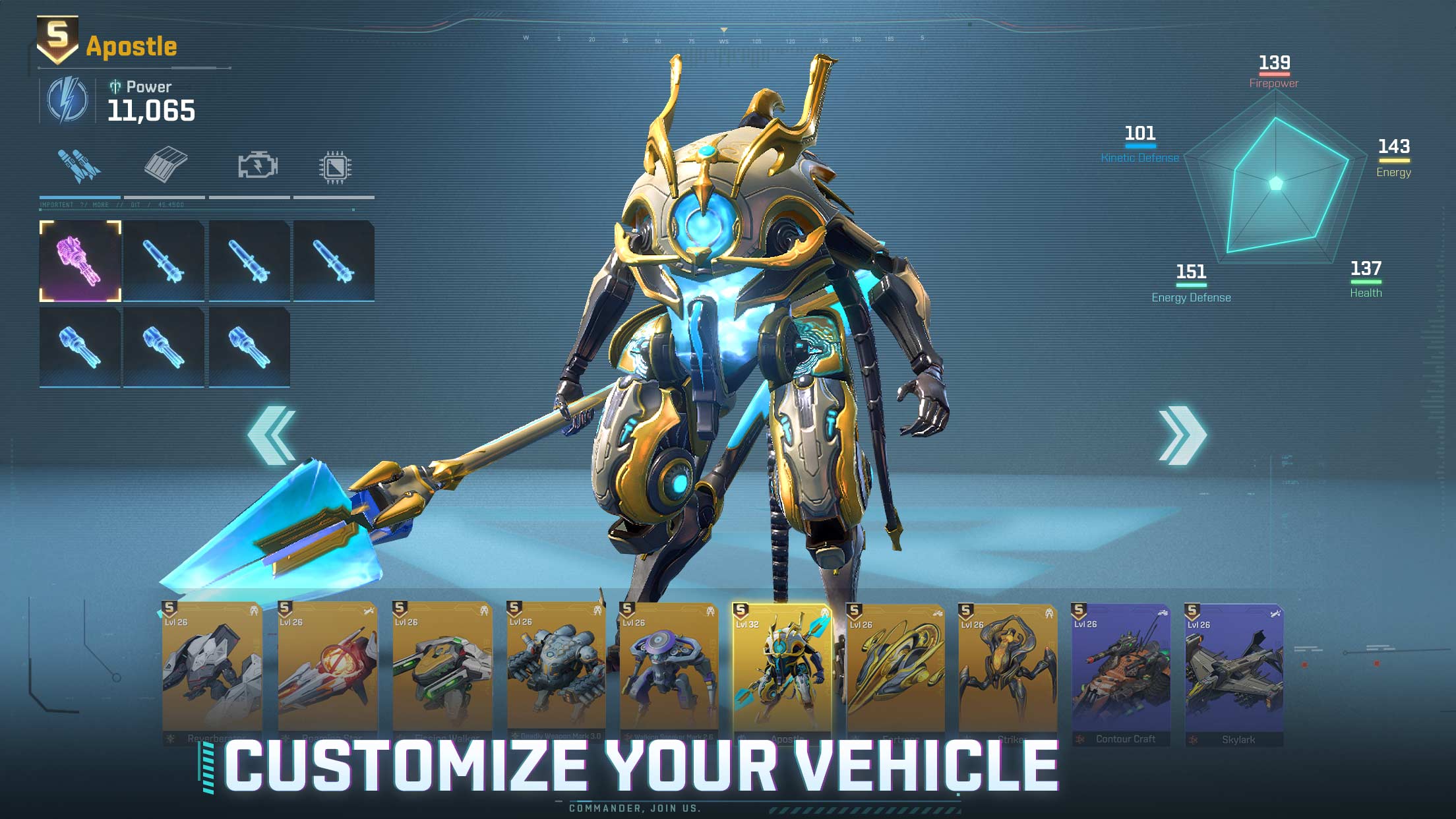
Final Verdict
Project Entropy earns a 7.1/10. It is a solid sci-fi alliance strategy option if you enjoy planning, social goals, and incremental growth. Try the opening systems first, judge the normal loop, and keep every optional purchase separate from the decision to play.
A good decision needs the next layer of context. Project Entropy Beginner Guide: Early Strategy for New Commanders takes the question further.
Pros
- Science-fiction theme gives familiar strategy systems character
- Alliance coordination creates meaningful social goals
- Fleet and commander decisions provide long-term planning
- Free-to-start entry point
Cons
- Competitive progression can reward time and spending
- Alliance dependence will not suit solo-first players
- Early systems need clear explanation
- This is a research-led assessment, not hands-on validation